# mybatis-plugins
**Repository Path**: fengyexjtu/mybatis-plugins
## Basic Information
- **Project Name**: mybatis-plugins
- **Description**: No description available
- **Primary Language**: Unknown
- **License**: Not specified
- **Default Branch**: master
- **Homepage**: None
- **GVP Project**: No
## Statistics
- **Stars**: 0
- **Forks**: 0
- **Created**: 2024-03-25
- **Last Updated**: 2024-03-25
## Categories & Tags
**Categories**: Uncategorized
**Tags**: None
## README
# mybatis介绍
MyBatis 是一款优秀的持久层框架,它支持定制化 SQL、存储过程以及高级映射。MyBatis 避免了几乎所有的 JDBC 代码和手动设置参数以及获取结果集。MyBatis 可以使用简单的 XML 或注解来配置和映射原生类型、接口和 Java 的 POJO(Plain Old Java Objects,普通老式 Java 对象)为数据库中的记录。
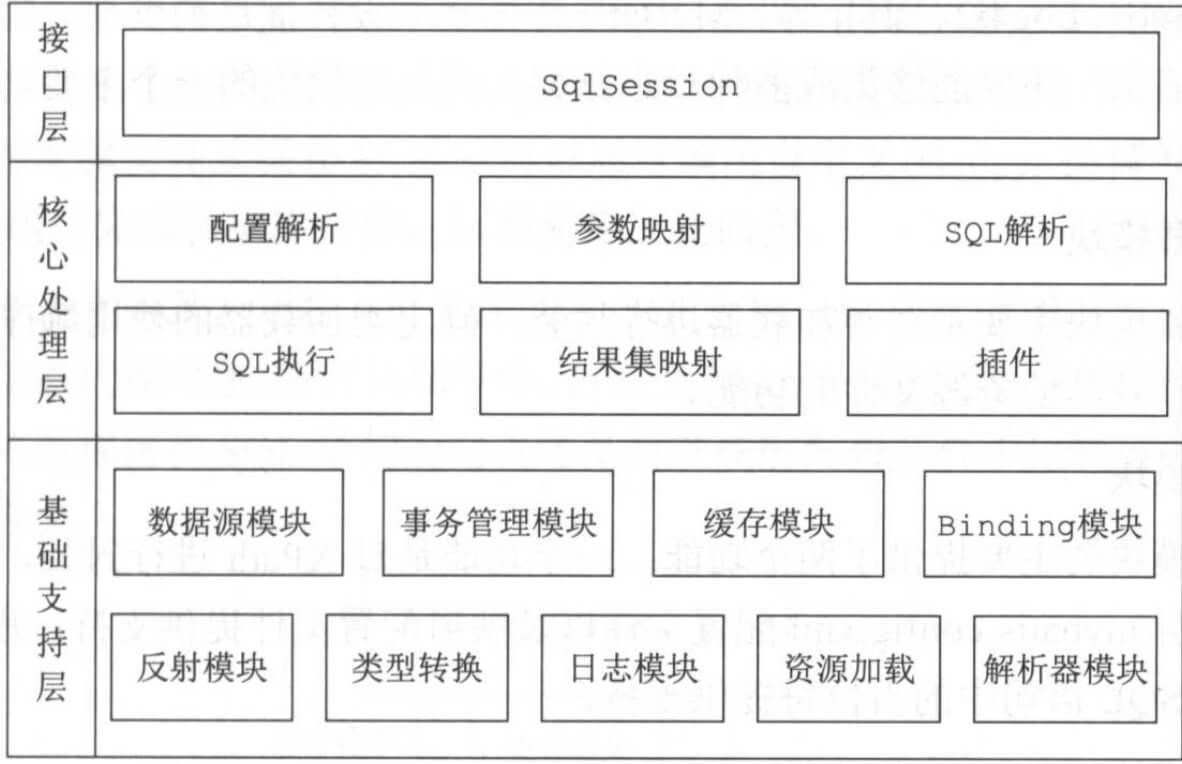
## mybatis架构图
## mybatis插件模块
我们这个demo实现就是基于mybatis的插件模块(主要实现mybatis的Interceptor接口)
### Interceptor接口
```java
package org.apache.ibatis.plugin;
import java.util.Properties;
/**
* @author Clinton Begin
*/
public interface Interceptor {
Object intercept(Invocation invocation) throws Throwable;
Object plugin(Object target);
void setProperties(Properties properties);
}
```
# demo实现
主要技术 spring boot + mybatis
## pom.xml
```xml
org.mybatis.spring.boot
mybatis-spring-boot-starter
1.3.2
mysql
mysql-connector-java
runtime
```
## 数据库 DDL
```sql
create table user
(
id int auto_increment primary key,
username varchar(20) null
);
```
## 核心代码
```java
@Override
public Object intercept(Invocation invocation) throws Throwable {
logger.info("进入拦截器");
Object[] args = invocation.getArgs();
MappedStatement mappedStatement = (MappedStatement) args[0];
//获取参数
Object param = invocation.getArgs()[1];
BoundSql boundSql = mappedStatement.getBoundSql(param);
Object parameterObject = boundSql.getParameterObject();
/**
* 判断是否是继承PageVo来判断是否需要进行分页
*/
if (parameterObject instanceof PageVo) {
//强转 为了拿到分页数据
PageVo pagevo = (PageVo) param;
String sql = boundSql.getSql();
//获取相关配置
Configuration config = mappedStatement.getConfiguration();
Connection connection = config.getEnvironment().getDataSource().getConnection();
//拼接查询当前条件的sql的总条数
String countSql = "select count(*) from (" + sql + ") a";
PreparedStatement preparedStatement = connection.prepareStatement(countSql);
BoundSql countBoundSql = new BoundSql(config, countSql, boundSql.getParameterMappings(), boundSql.getParameterObject());
ParameterHandler parameterHandler = new DefaultParameterHandler(mappedStatement, parameterObject, countBoundSql);
parameterHandler.setParameters(preparedStatement);
//执行获得总条数
ResultSet rs = preparedStatement.executeQuery();
int count = 0;
if (rs.next()) {
count = rs.getInt(1);
}
//拼接分页sql
String pageSql = sql + " limit " + pagevo.getLimit() + " , " + pagevo.getOffset();
//重新执行新的sql
doNewSql(invocation, pageSql);
Object result = invocation.proceed();
connection.close();
//处理新的结构
PageResult pageResult = new PageResult(pagevo.page, pagevo.rows, count, (List) result);
List returnResultList = new ArrayList<>();
returnResultList.add(pageResult);
return returnResultList;
}
return invocation.proceed();
}
```
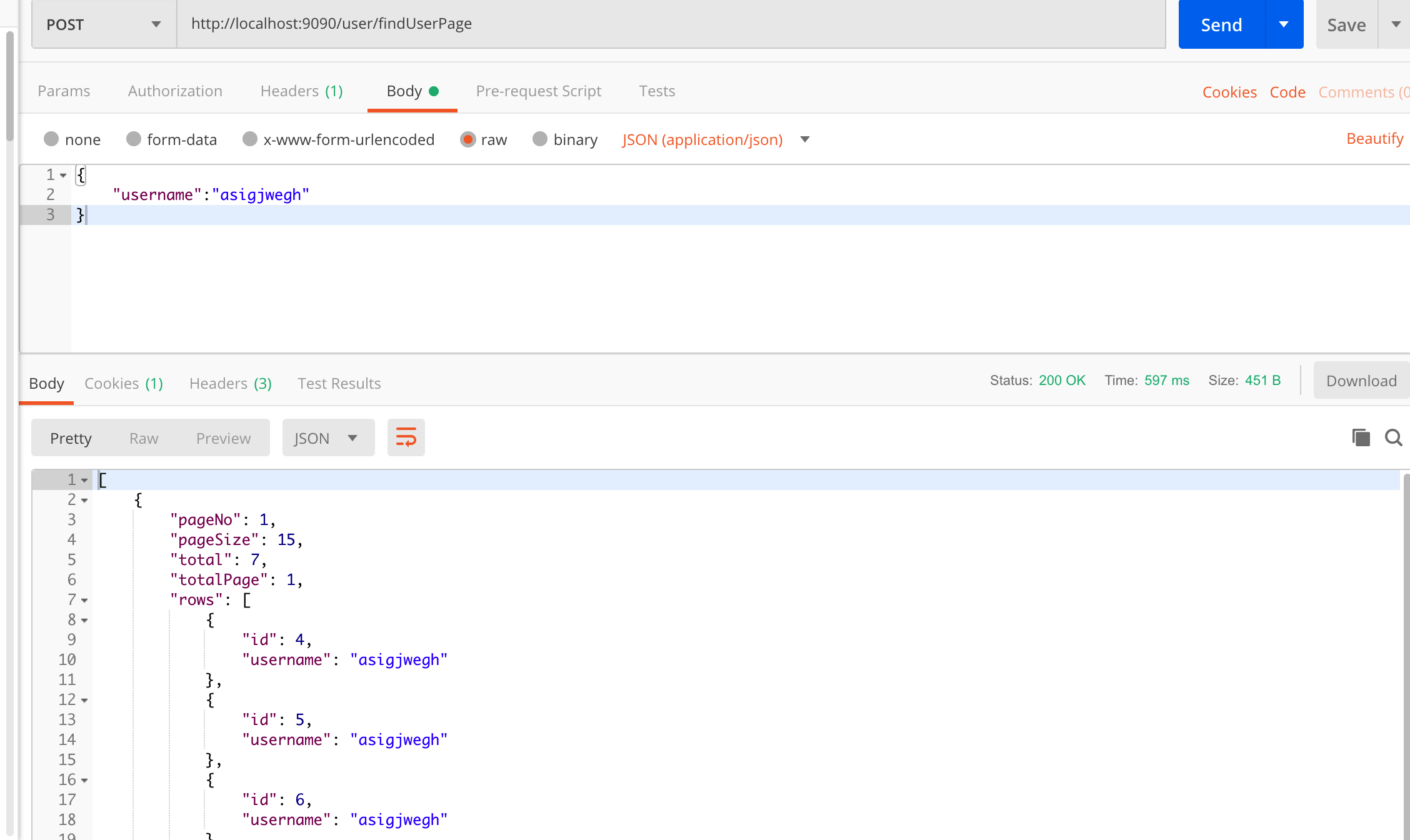
## 测试结果
# github地址
https://github.com/XINYANJIANG/mybaits-plugs